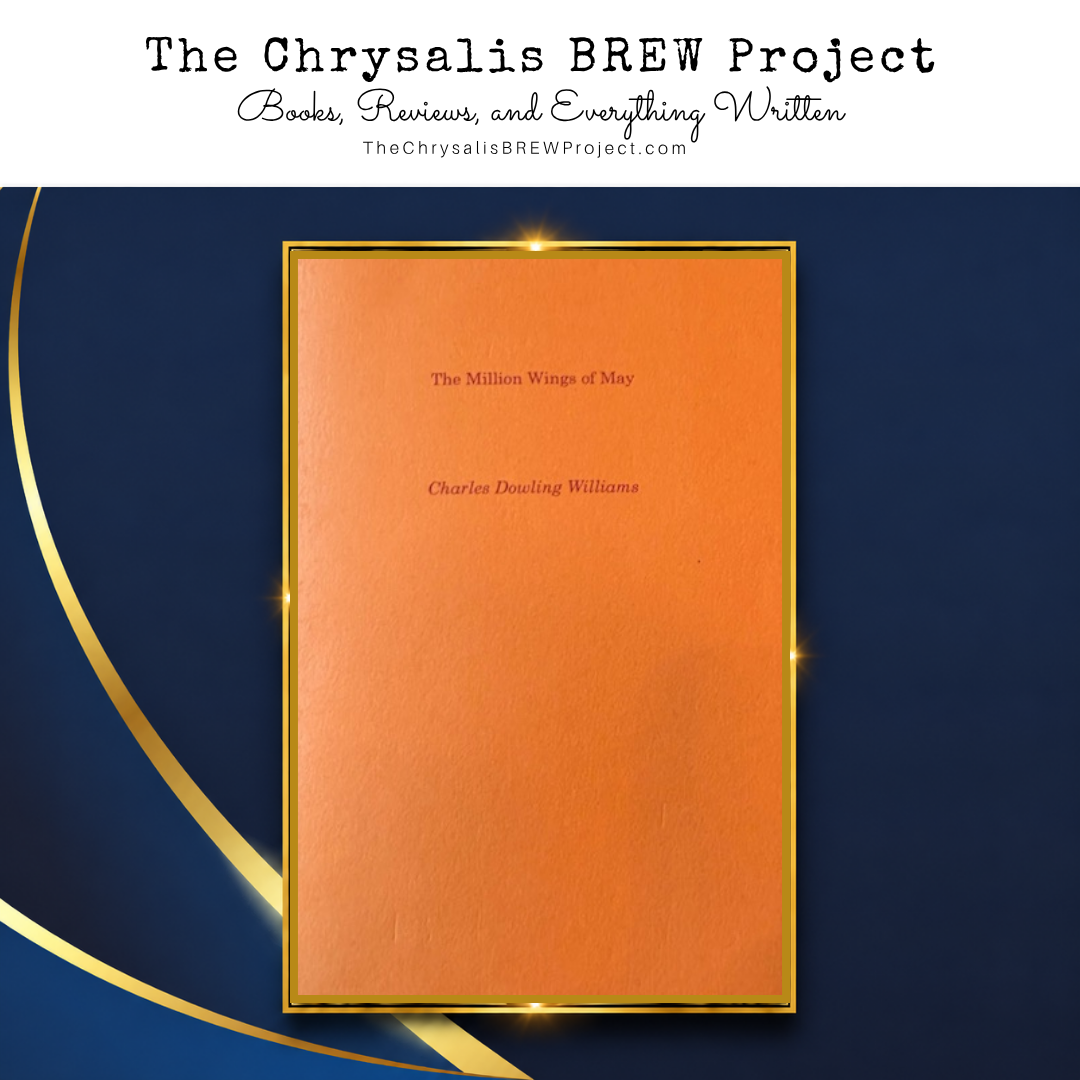
A year of close observation becomes a quiet celebration of nature, memory, and attention through a collection of haiku that finds wonder in places many people pass without noticing.
Table of Contents
Review
What happens when someone watches a place long enough that the ordinary begins to reveal itself as extraordinary? Charles Dowling Williams explores that question not through argument or instruction, but through patient observation. The Million Wings of May is a collection of haiku and short nature poems that follows the turning of the seasons across a Kentucky farm, transforming birds, insects, weather, plants, and everyday encounters into moments of reflection.
Many books ask readers to look farther. This one asks them to look closer.
Science tells us that people often fail to notice familiar details in environments they encounter every day, a phenomenon sometimes called inattentional blindness. Williams appears to challenge that tendency page after page. A hummingbird becomes more than a visitor. Slugs crossing a ceiling become unlikely nighttime performers. A murmuration of starlings becomes a meditation on mystery and coordination. Even a field of wild carrots swaying in summer wind becomes worthy of careful consideration.
One of the collection’s greatest strengths is its consistency of vision. Rather than relying on dramatic events, the author builds momentum through seasonal change. Readers witness spring flowers emerge, summer insects fill the air, autumn colors settle across fields, and winter snow reshape familiar landscapes. The result is less like reading a traditional poetry collection and more like accompanying a trusted guide through a living calendar.
Several moments linger long after the page is turned. The author’s fascination with leopard slugs climbing screens and ceilings appears repeatedly, creating a surprisingly memorable thread throughout the book. The descriptions of starling murmurations capture one of nature’s most remarkable spectacles. The observations surrounding Brood XIV cicadas provide an unusual centerpiece that few contemporary poetry collections could offer. The image of dogs dreaming in the deep hours of the night conveys affection without sentimentality. Even a blue-tailed skink basking in a garden becomes a small but enduring character.
The writing succeeds because it remains accessible. Readers need not possess specialized literary knowledge to appreciate these poems. Williams favors clarity over obscurity and image over abstraction. The strongest entries evoke sight, sound, texture, and movement with remarkable economy. Whether describing walnut leaves after rain, whippoorwills in the night, or geese returning home, the poems consistently create vivid mental pictures.
The collection’s distinctive quality comes from its perspective. Many poets write about nature. Fewer write as lifelong observers who understand both the ecological rhythms and the practical realities of rural life. Williams brings the eye of a tree farmer, gardener, naturalist, and storyteller to his subjects. That combination gives the work authenticity and warmth.
Presentation is straightforward and appropriate for the material. The poems are given room to breathe, allowing readers to pause between observations. Aside from a few minor proofreading and formatting issues, the collection demonstrates careful preparation and editorial attention.
My favorite portion of the book is the extended sequence surrounding the emergence of the seventeen-year cicadas because it transforms a documented biological phenomenon into a deeply personal experience while preserving the sense of awe such an event naturally inspires.
Readers who enjoy Mary Oliver’s attentiveness to the natural world, Bashō’s observational spirit, or the seasonal reflections found in classic nature journals will likely find much to admire here. The book may also appeal to birdwatchers, gardeners, hikers, naturalists, and anyone who has ever paused to listen to evening insects after sunset. Those seeking fast-moving plots, complex character arcs, or high-stakes drama may discover that this book is traveling a different road altogether, one measured not in events but in observations.
The Million Wings of May ultimately reminds readers that remarkable things are happening around them every day. A swallowtail landing on a thumb, a chorus of spring peepers, a moonlit field, a cloud of cicadas rising after years underground—these moments often go unnoticed. Williams notices them, records them, and invites readers to notice them too. That invitation proves to be the collection’s most enduring accomplishment.
About the Author

Charles D. Williams is a Kentucky tree farmer, attorney, and poet. Educated at The Webb School, Duke University, and the University of Kentucky College of Law, he has received Kentucky Tree Farmer of the Year, the Aldo Leopold Conservation Award, and Central Region Tree Farmer of the Year honors. He authored Seasons at West Wind Farm, The Green Roar of Zen, Echo Ridge, and Visible Magic. Echo Ridge and Visible Magic received recognition from Reading for Sanity, while Visible Magic was also honored by the Independent Press Awards.
Book Details
- Title: The Million Wings of May
- Author: Charles Dowling Williams
- Genre(s): Poetry
- Sub-genre(s): Haiku, Nature Poetry, Literary Poetry, Inspirational Poetry
- Theme(s): Nature, Seasons, Wildlife, Wonder, Spirituality, Ecology, Gratitude, Beauty, Rural Life, Observation
- Minimum Audience Age: 10+
- Main Language Used in the Text: English
Book Themes
(Note: 0=none, 1=a few, 2=considerable, 3=pronounced, 4=excessive)
- Sexual themes: 1
- Limited to natural animal reproduction references.
- Religious themes: 2
- Recurring seasonal and spiritual references throughout.
- Violence, self-harm, etc.: 0
- No meaningful violence or self-harm content.
- Crude language, expletives, swearing, etc.: 0
- Virtually no profanity or crude language.
- Other adult themes: 1
- Occasional aging, mortality, and reflective themes.
Disclaimer: The content provided by The Chrysalis BREW Project is for informational purposes only. The views expressed in our reviews and articles are those of the individual writers and do not necessarily reflect the official stance of The Chrysalis BREW Project. Unless otherwise specified, product descriptions or author profiles are based on what has been provided by the author or publisher. We strive for accuracy, but we cannot guarantee the completeness or reliability of the information provided. External links are for convenience and do not imply endorsement. Readers are encouraged to conduct their own research and consult professionals as needed. The use of our content is at your own discretion. Please read our full disclaimer version as well as other relevant policies, terms, and conditions on the links below for more details.
Important Reads: About Us | Privacy Policy | Terms of Service | Disclaimer and Disclosure
For more posts like this, here’s the link: https://thechrysalisbrewproject.com/category/bookish-posts/.
- A Calendar of BREW Events
- Book Reviews and Recommendations
- BREW Book, Blog, and Poetry Awards
- BREW Book Awards
- BREW International Blog Award
- BREW Poetry Award
- General Award Nomination Policies
- BREW Award Winners
- Become a BREW Awards Judge
- BREW Book Awards Judging Criteria
- BREW Brilliance: Insights and Updates from BREW Awardees
- Policy for Self-reporting, Reporting on Awardees, and Minimum Nominee Criteria
- From the BREW Community
- Get Featured: Showcase Your Work Through The Chrysalis BREW Project
- Giving Back
- Our Free Services for You
- What You Can Also Do
- Partner With Us
- Our Offers
- About
Announcements
Welcome to The Chrysalis BREW Project! We’re excited to offer new service slots to shine a spotlight on your masterpiece—place your order while spots last! If you have any questions, feel free to reach out through our Contact Form and we’ll get back to you as soon as we can. All the best, now and always—keep shining!
Congratulations to our latest BREW award winners!


Something went wrong. Please refresh the page and/or try again.


Share this:

Discover more from The Chrysalis BREW Project
Subscribe to get the latest posts sent to your email.