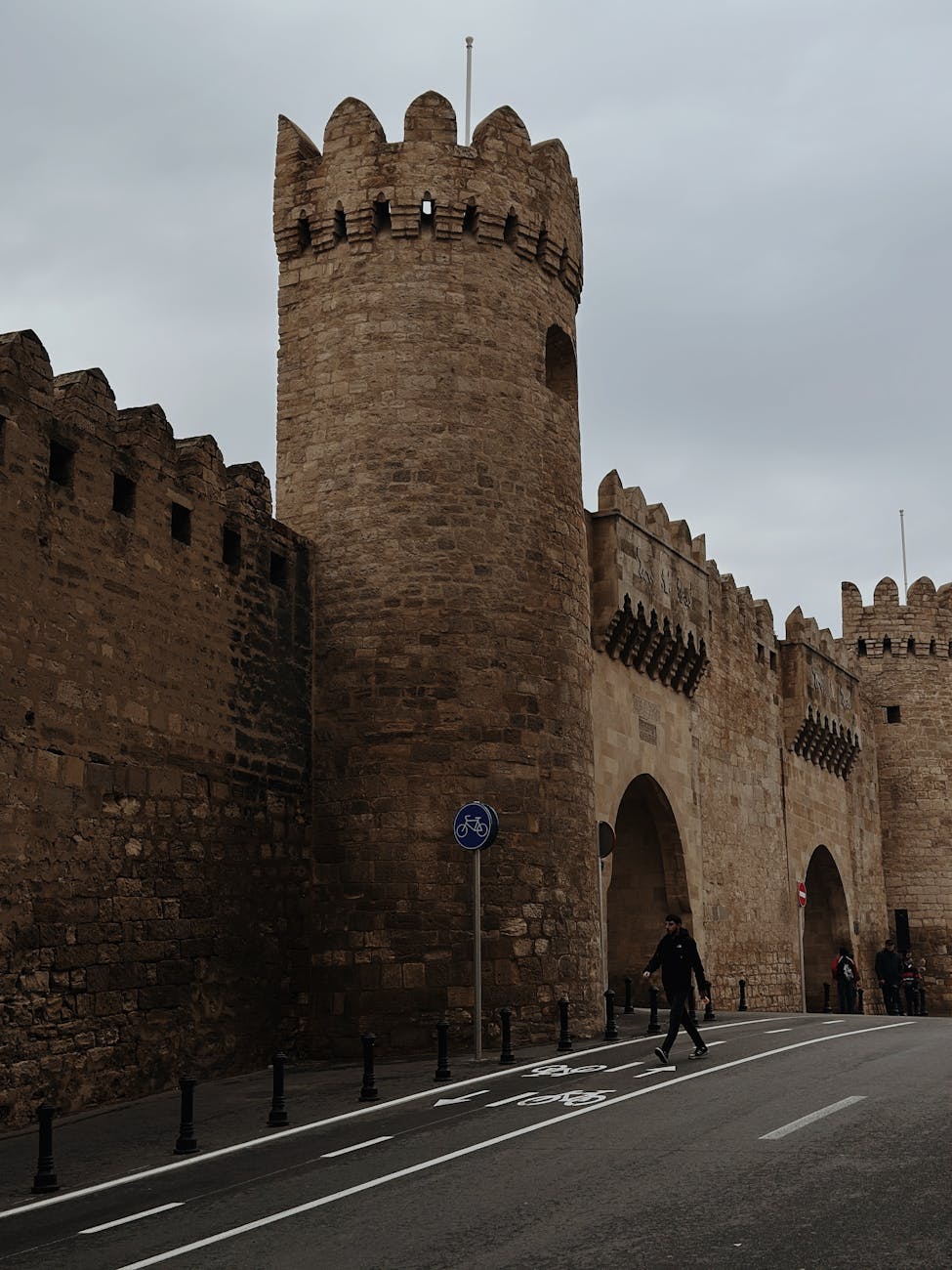
Towers are architectural marvels that pierce the skies, metaphors for ambition, isolation, or enlightenment. They’ve also inspired literary greatness. Books with “tower” in the title often delve into profound themes, using the tower as a central symbol. But what makes them so captivating? Let’s take an unconventional tour through some famous “tower” books and explore their peculiar brilliance.
Table of Contents
1. “The Dark Tower Series” by Stephen King
What’s So Great About It?
Stephen King’s magnum opus isn’t just a series of books—it’s a genre-defying epic that combines fantasy, Westerns, and horror. At its core, the titular “Dark Tower” is both a literal place and a metaphysical anchor of existence. King invites readers to journey alongside Roland Deschain, the enigmatic gunslinger, through a crumbling multiverse.
Unconventional Take:
King’s tower is a rickety skyscraper built from the bricks of his own imagination. Its allure lies in its contradictions—it’s a goal and a curse, a sanctuary and a battlefield. If the tower were a personality, it would have a therapist on speed dial. King himself stands at its base, resolute, ready to ascend and tame the chaos, for only he can wrest order from the madness he has created.
2. “A View from the Tower” by Charles Morgan
What’s So Great About It?
Morgan’s novel looks into human passions and ethical dilemmas set against the backdrop of post-war Europe. The “tower” here serves as a vantage point for characters to grapple with lofty ideals and moral quandaries.
Unconventional Take:
Imagine if your therapist’s office were perched atop a medieval tower. Every session would involve gazing down on humanity’s collective drama. That’s the vibe Morgan achieves, offering characters—and readers—a bird’s-eye view of life’s messiness. And yet, amidst the chaos below, Morgan’s tower becomes a lighthouse of clarity, reminding us that from great heights, even the messiest lives can find their patterns and purpose.
3. “The Tower” by W.B. Yeats
What’s So Great About It?
This poetry collection is a cornerstone of Yeats’s later work, with “The Tower” representing his home, Thoor Ballylee, and his reflections on aging, Irish politics, and spirituality.
Unconventional Take:
Yeats turns his tower into a poetic Airbnb where his muses check in and out. It’s a place where aging isn’t a curse but a rite of passage. If Yeats were alive today, his tower might host existential TED Talks. And yet, the tower stands as a timeless reminder that wisdom grows tallest in the face of life’s inevitable cycles, offering solace and inspiration to all who seek its heights.
4. “The Ivory Tower” by Henry James
What’s So Great About It?
An unfinished work by James, “The Ivory Tower” critiques wealth and privilege in American society. The tower here symbolizes detachment from the gritty realities of life.
Unconventional Take:
James’s ivory tower is less an escape and more a gilded cage. If this tower had Wi-Fi, it’d stream satirical exposés of the elite on loop. The unfinished nature of the book? A metaphor for the incompleteness of privilege itself. Yet, even within its walls, there’s a glimmer of hope—an invitation to step beyond the cage, to confront the imperfections, and to imagine a world where privilege seeks purpose.
5. “Towers of Midnight” by Robert Jordan and Brandon Sanderson
What’s So Great About It?
As the penultimate book in the Wheel of Time series, it masterfully weaves together sprawling plotlines, preparing readers for the final battle. Towers are literal and figurative—places of power and conflict.
Unconventional Take:
If this tower were a playlist, it’d alternate between battle anthems and meditative chants. It’s less about reaching the top and more about the chaos that comes from trying to climb. And yet, within that chaos lies the promise of growth, as every step upward reveals a little more about the strength it takes to persevere.
6. “The Two Towers” by J.R.R. Tolkien
What’s So Great About It?
As the second book in The Lord of the Rings trilogy, “The Two Towers” explores themes of duality, conflict, and unity through its titular towers: Orthanc in Isengard and Barad-dûr in Mordor. These towers represent opposing forces—Saruman’s ambition and Sauron’s dominion—while serving as ominous symbols of power and corruption. The novel bridges the story between the fellowship’s separation and the looming final battle.
Unconventional Take:
Tolkien’s towers are like competing corporations in a dystopian boardroom drama—each vying for dominance, but ultimately serving the same dark agenda. If they could talk, they’d probably conspire over encrypted emails, plotting the downfall of Middle-earth one strategy meeting at a time. And yet, even in their shadow, hope flickers—a reminder that unity and courage can dismantle even the most imposing structures of power.
Why “Tower”?
There’s something inherently symbolic about a tower. It represents aspiration (climbing to the top), isolation (a lonely perch), and resilience (weathering storms). Towers in literature remind us of our human longing to rise above the ordinary, even as we risk tumbling down. And yet, within that delicate balance, there’s a quiet strength—the understanding that even in falling, we find the courage to rise again.
The Ultimate Tower Book Club
Imagine hosting a book club where the setting is an actual tower—preferably an ancient one with ivy creeping up the sides. The discussions wouldn’t just be about the books but about the towers themselves:
- Would you dare to enter King’s Dark Tower?
- What truths would you hope to glimpse from Yeats’s poetic heights?
- Could you resist the allure of James’s ivory stronghold?
So, next time you see a tower, think of it not just as a structure but as a literary archetype—a sentinel of stories, watching over the landscapes of human imagination. Then, climb. Who knows what insights await at the top?
Helpful Shortcuts
- A Calendar of BREW Events
- Book Reviews and Recommendations
- BREW Book, Blog, and Poetry Awards
- BREW Book Awards
- BREW International Blog Award
- BREW Poetry Award
- General Award Nomination Policies
- BREW Award Winners
- Become a BREW Awards Judge
- BREW Book Awards Judging Criteria
- BREW Brilliance: Insights and Updates from BREW Awardees
- Policy for Self-reporting, Reporting on Awardees, and Minimum Nominee Criteria
- From the BREW Community
- Get Featured: Showcase Your Work Through The Chrysalis BREW Project
- Giving Back
- Our Free Services for You
- What You Can Also Do
- Partner With Us
- Our Offers
- About
Announcements
Welcome to The Chrysalis BREW Project! We’re excited to offer new service slots to shine a spotlight on your masterpiece—place your order while spots last! If you have any questions, feel free to reach out through our Contact Form and we’ll get back to you as soon as we can. All the best, now and always—keep shining!
Congratulations to our latest BREW award winners!


Something went wrong. Please refresh the page and/or try again.


Share this:

Discover more from The Chrysalis BREW Project
Subscribe to get the latest posts sent to your email.
Sometimes all we need to make our day better is a spicy romance like this one 😉
So true.